
High Blood Pressure and Kidney Disease: What Patients Should Know
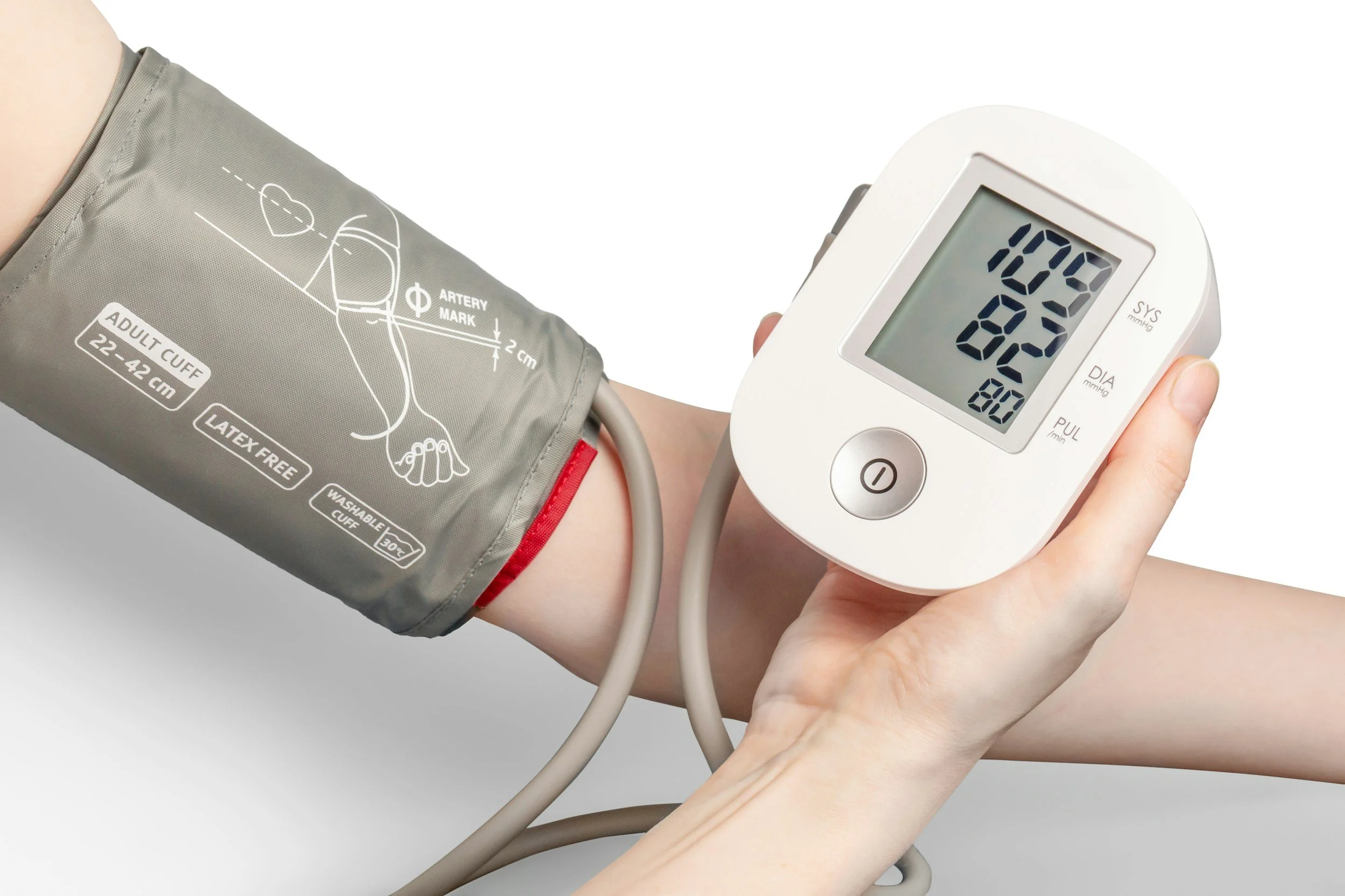
High blood pressure affects millions of adults and is a major risk factor for several serious health conditions. One of the most important but often overlooked connections is the relationship between high blood pressure and kidney disease.
During National Kidney Month, it is important to understand how blood pressure affects kidney health.
How Blood Pressure Affects the Kidneys
Your kidneys contain tiny blood vessels that filter waste and excess fluid from the bloodstream. When blood pressure is consistently high, these delicate vessels can become damaged.
Over time, this damage may lead to chronic kidney disease. High blood pressure can both cause kidney disease and worsen existing kidney damage.
The Kidney–Blood Pressure Connection
The relationship between kidney function and blood pressure works both ways.
High blood pressure can damage the kidney blood vessels
Damaged kidneys may contribute to further increases in blood pressure
This cycle can lead to progressive kidney damage if left untreated.
Symptoms of Kidney Disease Related to Hypertension
Kidney disease related to high blood pressure often develops silently; however, some individuals may eventually experience:
Swelling in the feet or ankles
Fatigue
Difficulty concentrating
Changes in urination
Because symptoms may not appear early, regular blood pressure monitoring is important.
Managing Blood Pressure to Protect Your Kidneys
Controlling blood pressure is one of the most effective ways to prevent kidney disease. Healthcare providers often recommend:
Maintaining a Healthy Diet
Reducing sodium intake and eating a balanced diet can help control blood pressure.
Staying Physically Active
Regular exercise helps strengthen the heart and improve circulation.
Maintaining a Healthy Weight
Excess weight increases strain on the heart and kidneys.
Taking Medications as Prescribed
Some patients require medication to maintain safe blood pressure levels.
Monitoring Blood Pressure Regularly
Routine monitoring allows patients and healthcare providers to track progress and adjust treatment when necessary.
The Importance of Regular Screening
Patients with high blood pressure should have their kidney function monitored regularly through blood and urine tests.
Early detection of kidney damage allows for prompt treatment and may help prevent disease progression.
During National Kidney Month, consider speaking with your healthcare provider about strategies to maintain healthy blood pressure and protect your kidneys.