
The Connection Between Diabetes and Kidney Disease
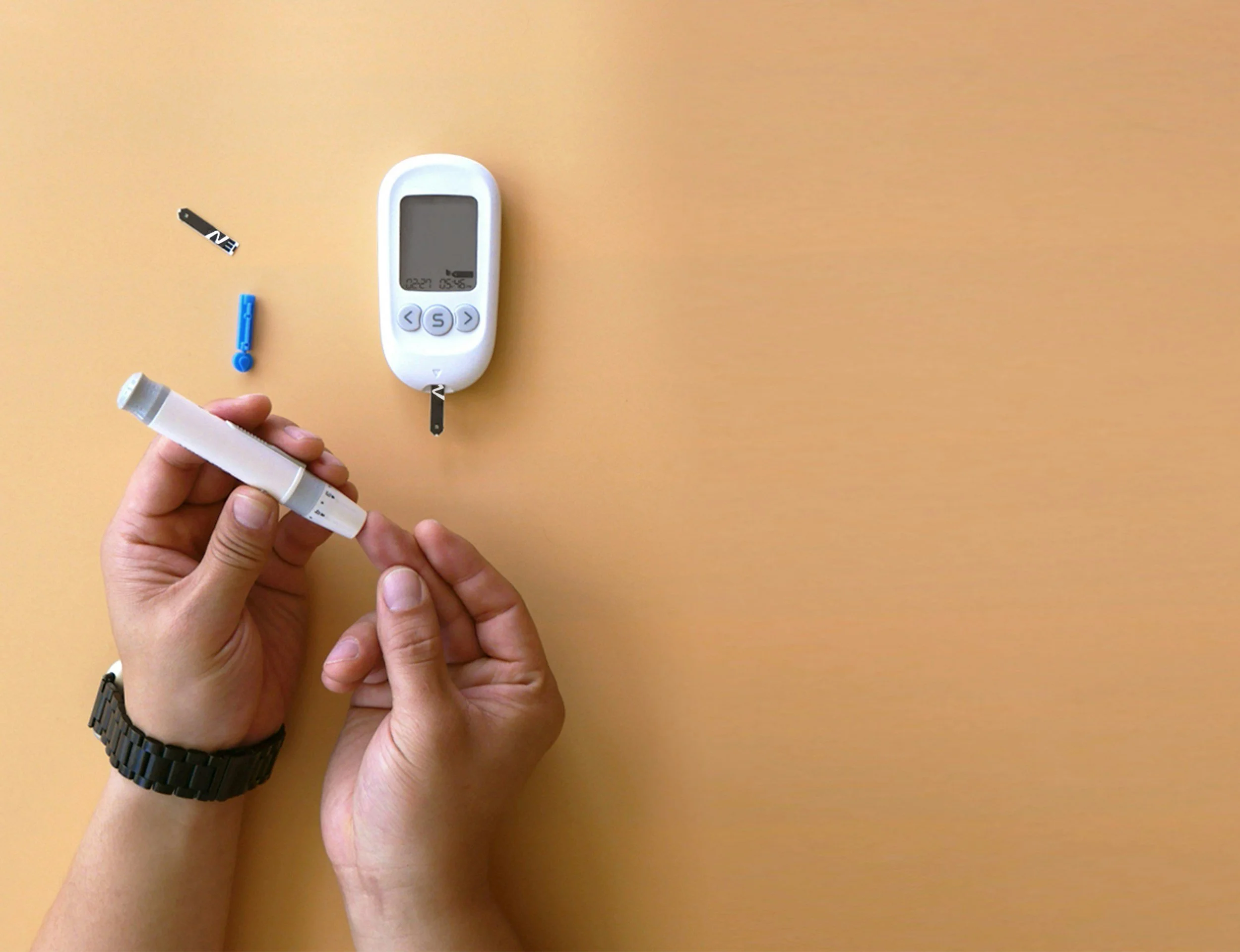
Diabetes affects millions of people and is one of the most common chronic health conditions worldwide. What many people may not realize is that diabetes is also the leading cause of kidney disease.
During National Kidney Month, it is important to understand how diabetes can affect kidney health and what steps patients can take to reduce their risk.
How Diabetes Affects the Kidneys
Your kidneys contain millions of tiny filtering units called nephrons. These filters remove waste products and excess fluid from the bloodstream.
When blood sugar levels remain high over long periods of time, they can damage these delicate filtering structures. This damage can lead to a condition called Diabetic Kidney Disease, also known as diabetic nephropathy.
As kidney damage progresses, the kidneys become less effective at removing waste from the body.
Why Kidney Damage Occurs
High blood sugar affects the kidneys in several ways:
It damages the small blood vessels in the kidneys
It increases pressure within the kidney filters
It causes proteins to leak into the urine
Over time, these changes can significantly reduce kidney function.
Symptoms of Diabetic Kidney Disease
Early kidney damage often produces no symptoms. However, as the condition progresses, symptoms may include:
Swelling in the legs or ankles
Fatigue
Increased urination
Protein in the urine
High blood pressure
Because symptoms may not appear until later stages, routine screening is essential.
How Kidney Disease Is Detected in People with Diabetes
Healthcare providers monitor kidney health in patients with diabetes using several laboratory tests.
Two commonly used tests include:
Estimated Glomerular Filtration Rate (eGFR)
Albumin-to-Creatinine Ratio
These tests can detect early signs of kidney damage before symptoms appear.
How to Protect Your Kidneys if You Have Diabetes
Managing diabetes effectively is the best way to protect kidney health. Helpful strategies include:
Control Blood Sugar Levels
Maintaining blood glucose within the target range helps prevent damage to the kidney blood vessels.
Manage Blood Pressure
High blood pressure can accelerate kidney damage. Patients with diabetes should monitor and manage their blood pressure carefully.
Follow a Healthy Diet
A balanced diet rich in fruits, vegetables, whole grains, and lean proteins supports overall health and kidney function.
Stay Active
Regular physical activity helps regulate blood sugar and blood pressure levels.
Schedule Regular Checkups
Routine medical visits allow providers to monitor kidney health and adjust treatment plans when necessary.
Preventing Complications
Early detection and proper diabetes management can significantly slow or prevent kidney damage. Many patients with diabetes live long, healthy lives without developing serious kidney complications.
During National Kidney Month, talk to your healthcare provider about kidney screening and ways to protect your kidney health.