
Early Signs of Kidney Disease You Should Not Ignore
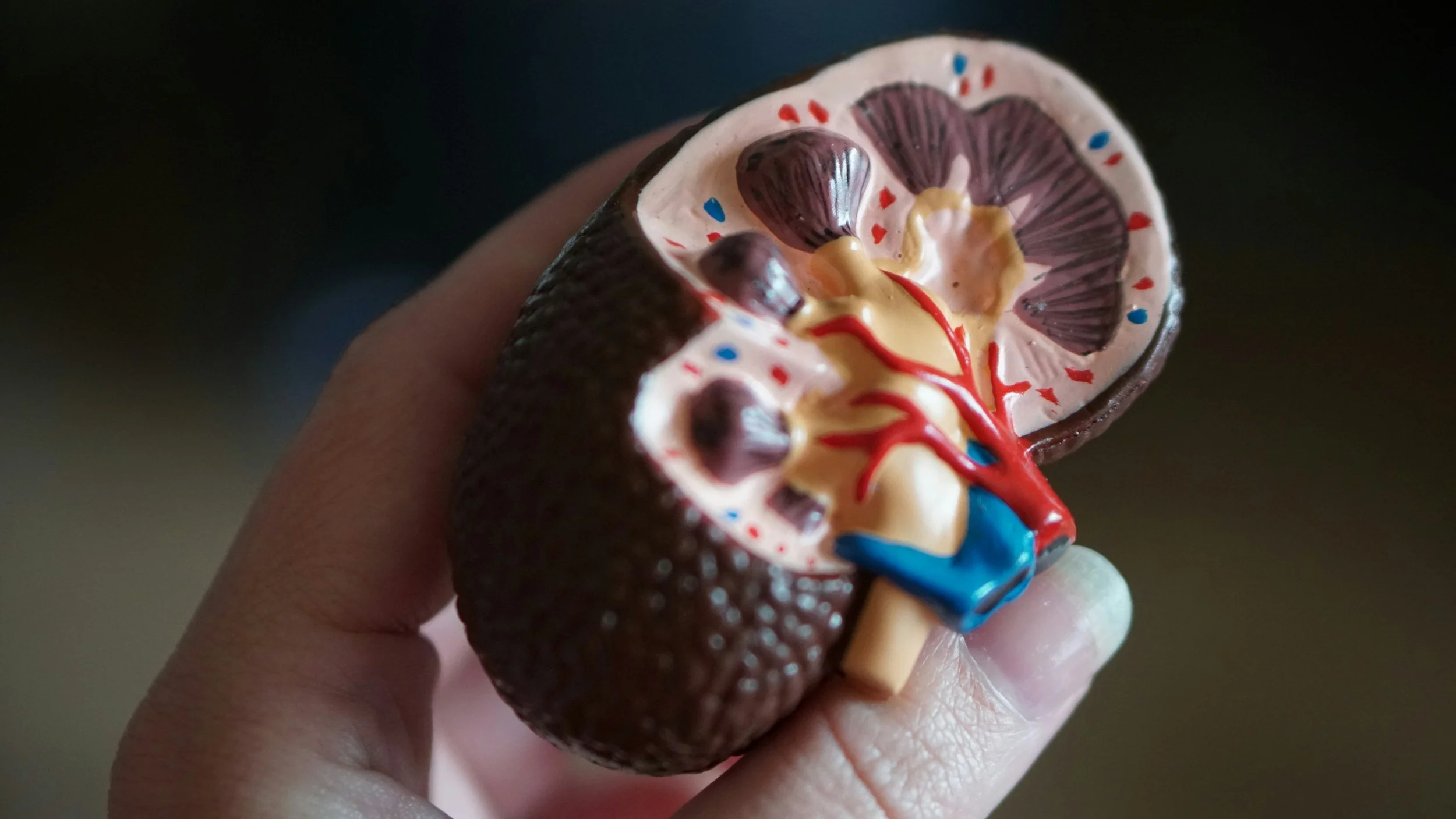
Kidney disease often develops gradually and may not cause noticeable symptoms at first. Because of this, many people do not realize they have kidney disease until it has progressed.
During National Kidney Month, it is important to recognize the early warning signs that may indicate kidney problems.
Why Kidney Disease Often Goes Undetected
Your kidneys have a remarkable ability to continue functioning even when some damage has occurred. This means symptoms may not appear until kidney function has already declined.
This is why routine medical visits and lab tests are important, especially for individuals at higher risk.
Possible Early Signs of Kidney Disease
While symptoms may vary, some early warning signs may include:
Fatigue
When the kidneys are not functioning properly, toxins can build up in the bloodstream. This may cause fatigue or a general feeling of weakness.
Swelling in the Feet or Ankles
Kidneys help regulate fluid balance. If they are not working properly, excess fluid may accumulate in the body, causing swelling in the legs, ankles, or feet.
Changes in Urination
Changes in urination patterns may include:
Increased urination at night
Foamy or bubbly urine
Dark or discolored urine
Decreased urine output
These changes may indicate kidney damage.
Difficulty Concentrating
The buildup of toxins in the bloodstream may affect brain function, making it harder to concentrate.
Nausea or Loss of Appetite
Some people with kidney disease experience nausea, vomiting, or a loss of appetite as waste accumulates in the body.
These symptoms may also be associated with other health conditions, so it is important to consult a healthcare provider if they occur.
Risk Factors for Kidney Disease
Certain individuals are more likely to develop chronic kidney disease, including those with:
Diabetes
High blood pressure
Heart disease
Family history of kidney disease
If you have one or more of these risk factors, routine screening may help detect kidney disease early.
When to See a Healthcare Provider
If you notice persistent symptoms such as swelling, changes in urination, or unusual fatigue, it is important to speak with a healthcare provider.
Early detection allows doctors to develop treatment plans that may slow or prevent disease progression.
The Importance of Preventive Care
Kidney disease does not always cause obvious symptoms in the early stages. That is why preventive care plays such an important role in protecting kidney health.
Regular checkups, routine lab testing, and management of chronic conditions such as diabetes and high blood pressure can significantly reduce the risk of serious kidney complications.
During National Kidney Month, consider scheduling a preventive health visit to discuss your kidney health with your provider.